We See What Other Programs Miss
This page leads with empathy because parents need to feel understood before they hear about methods or logistics.
Most training programs were not built for your child.
Sensory overload, coordination challenges, and anxiety are often treated as barriers instead of starting points.
Your child is not behind. They are wired differently, and that calls for different tools.
The Feldenkrais Difference
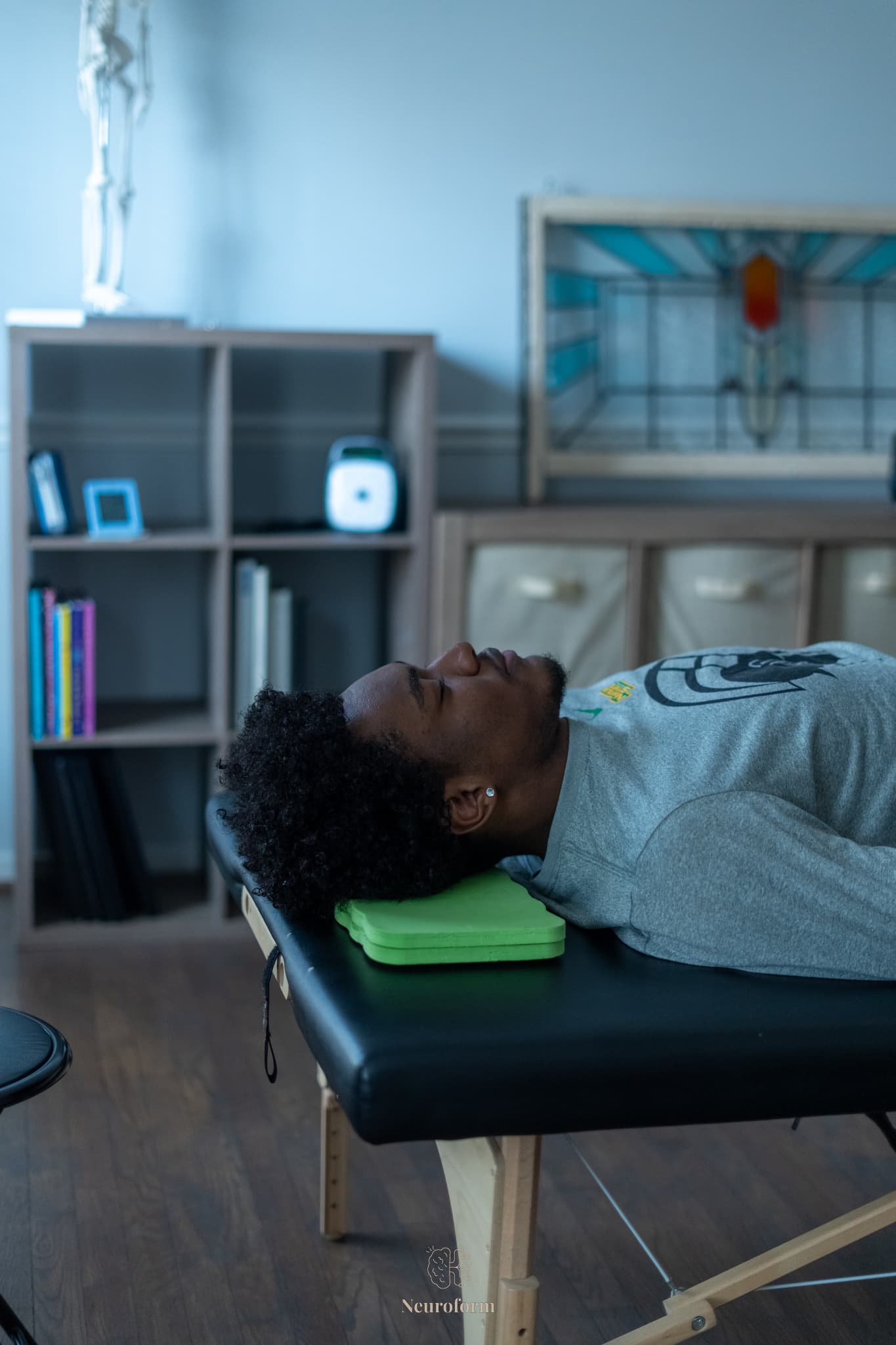
The Feldenkrais Method uses gentle, non-invasive movement sequences to help the nervous system discover new patterns through awareness instead of repetition or force. There is no equipment, no competition, and no failure state. That makes it especially powerful for kids who need a calmer, more responsive entry point into movement and self-regulation.
What We Address
Build proprioception so your child can better sense where they are in space.
Improve movement planning, transitions, and stability in a low-pressure format.
Use movement as a path toward calmer nervous-system responses and better regulation.
Support attention, pacing, and body-state awareness through guided sequences.
Help physical environments feel more accessible instead of intimidating.
Create safer entry points for participating around other kids in group settings.
What a Session Looks Like
Parents often need to visualize the room, the pacing, and the emotional tone before they can commit. This section is designed to reduce that uncertainty.
We begin by noticing how your child is arriving that day so the session can meet their current state, not fight it.
Megan introduces a small number of guided movements with clear cues and plenty of room to pause, adjust, or rest.
The environment stays predictable, low-pressure, and sensory-aware so your child can stay engaged without overload.
Sessions close with a simple debrief so parents understand what was observed and what progress to watch for at home.
Who Delivers It
For this audience, Megan's background is the proof point. The copy keeps her credentials visible without sounding clinical or distant.
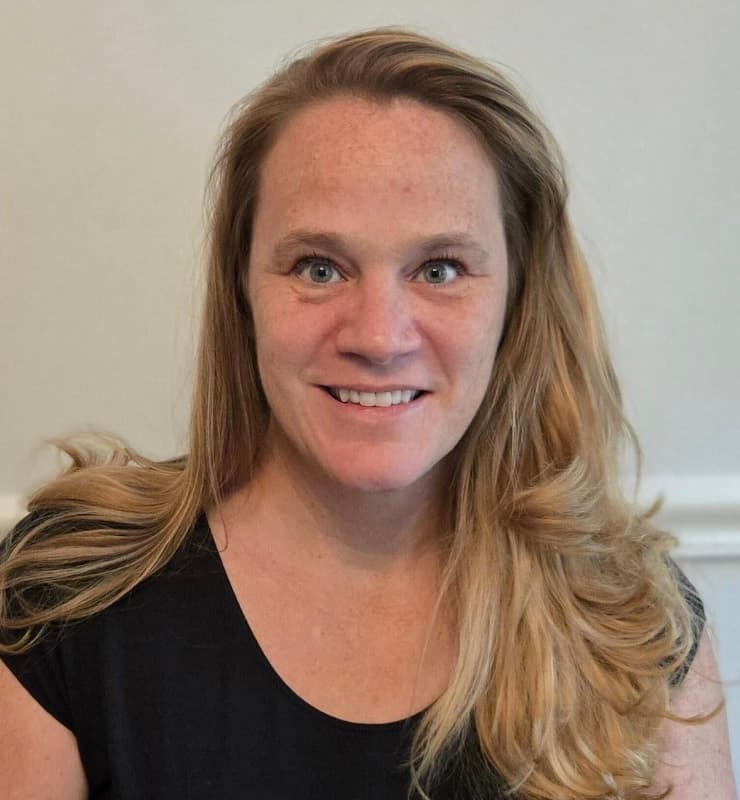
Lead Practitioner
Megan has spent her career helping neurodiverse clients build stronger movement foundations, sensory integration, and confidence. Her work is calm, observant, and deeply personalized.
Program Options
A fully individualized environment for children who need the most customized pacing and support.
3 to 5 kids
Structured group movement for children who can benefit from shared practice in a calmer social environment.
Parent Coaching
Help caregivers understand what Neuroform is seeing and how to support progress between sessions.
FAQ
No. Neuroform is movement education, not therapy. Sessions are designed to improve awareness, coordination, and regulation through guided movement experiences.